
How Schools Can Inspire Healthy Eating Habits That Last a Lifetime
The food choices children make during their school years do not just fill them up for the afternoon. They shape habits, preferences, and relationships with food that can follow them well into adulthood. When schools take an active role in making nutritious meals exciting and accessible, they are doing far more than feeding students. They are planting the seeds of lifelong wellness.
Elementary and middle school years are a window of opportunity. Children at these ages are curious, impressionable, and still forming their tastes. With the right environment, messaging, and genuinely good food, schools can shift how young people think about what ends up on their plates.
Why the School Environment Matters So Much
Children spend a significant portion of their waking hours at school. For many students, the meals served at lunch account for a large share of their daily nutrition. This makes the school dining experience one of the most powerful tools available for shaping eating behavior.
Research consistently shows that repeated exposure to healthy foods increases acceptance over time. When a child sees roasted vegetables, whole grains, or fresh fruit offered regularly and presented in an appealing way, they become more comfortable with those foods. Familiarity breeds curiosity, and curiosity leads to tasting.
Beyond the food itself, the lunch environment plays a role. A chaotic, rushed lunch period does not set the stage for mindful eating. But a space that feels welcoming, where students have enough time to sit and enjoy their meal, supports better food choices and a healthier relationship with eating overall.
Making Nutritious Food Look and Taste Amazing
One of the biggest misconceptions about healthy school food is that it has to be bland or boring. That could not be further from the truth. Nutritious meals can be vibrant, flavorful, and genuinely exciting when they are prepared with care and creativity.
Color is one of the simplest tools in the kitchen. A tray filled with bright reds, greens, oranges, and yellows is naturally more appealing than a dull, monochrome plate. Schools and their food service partners can use this to their advantage by building meals around seasonal produce and visually striking combinations.
Flavor matters just as much. Nutritious food does not have to be tasteless. Using fresh herbs, spices, citrus, and quality ingredients transforms a simple dish into something students actually want to eat. When the food is genuinely delicious, the conversation about nutrition becomes much easier.
Presentation also plays a bigger role than many people realize. Foods served in an organized, thoughtful way signal to students that their meal was prepared with intention. Small touches like neat portioning, fresh garnishes, or themed food stations can elevate the entire dining experience.
The Role of Food Service Professionals
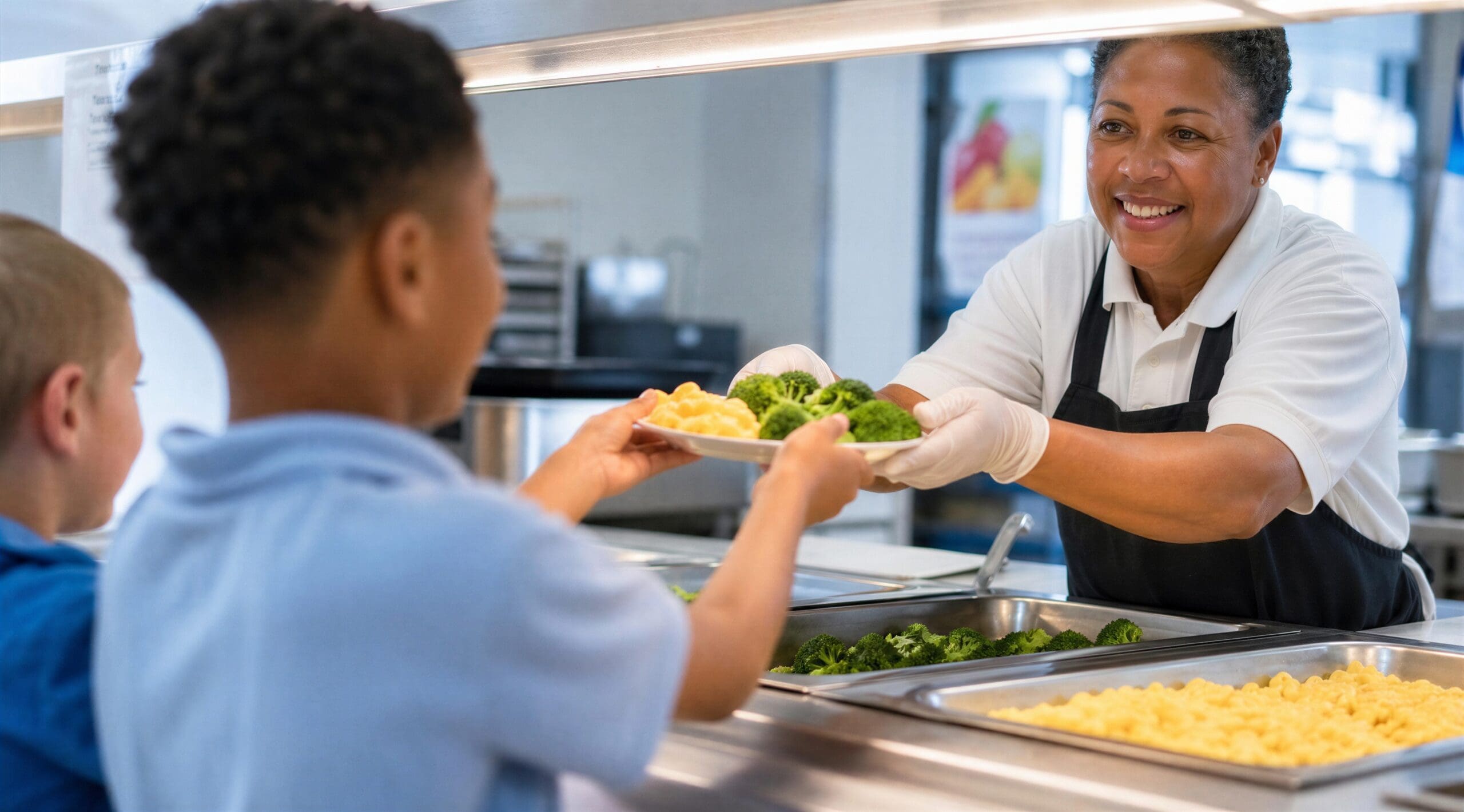
Behind every great school meal is a team of professionals who understand both nutrition and the real challenge of cooking for hundreds of students at once. Skilled food service providers bring culinary expertise, knowledge of dietary requirements, and a genuine commitment to quality that elevates the entire school dining program.
Organizations like CulinArt Group have built their work on the belief that food served in schools should meet the same standard of care and quality as food served elsewhere. That philosophy shows up in the sourcing of ingredients, the training of kitchen staff, and the constant effort to balance nutritional guidelines with genuine deliciousness.
When schools partner with food service professionals who share a commitment to student wellbeing, the results are measurable. Participation rates in school meal programs tend to increase. Food waste tends to decrease. And students who might otherwise skip lunch or reach for less nutritious options are more likely to eat a balanced meal.
Navigating Picky Eaters and Diverse Preferences
Any parent or teacher will tell you that getting children to try new foods is not always easy. Picky eating is a normal part of development, and schools need strategies that work with that reality rather than against it.
One effective approach is gradual introduction. Rather than overhauling the menu overnight, introducing one new nutritious item at a time allows students to adjust without feeling overwhelmed. Pairing something unfamiliar with a familiar favorite is another way to ease the transition.
Cultural diversity in the cafeteria is also worth embracing. Schools serve students from many different backgrounds, each with their own food traditions and flavor preferences. Menus that reflect this diversity do more than accommodate different palates. They send a message of inclusion and respect, and they expose all students to a broader world of nutritious, flavorful food.
Here are a few strategies that have proven effective in school settings:
- Choice architecture places colorful and nutrient dense options at the front of the lunch line or at eye level, making them the most visible and convenient choice without removing other options entirely.
- Fun naming transforms a simple dish into something memorable. Studies have shown that giving vegetables playful or descriptive names increases the likelihood that children will choose and enjoy them.
- Theme days and cultural celebrations bring excitement to the cafeteria and create a natural opportunity to introduce diverse, nutritious cuisines in a festive context.
Balancing Nutritious Choices with Fun and Familiar Favorites
While introducing new and nutritious foods is important, it is equally essential to include options that feel fun and familiar to students. Recognizable favorites can provide a sense of comfort and predictability, making the overall dining experience more approachable—especially for younger or more hesitant eaters. When students see foods they already enjoy alongside new offerings, they are more likely to participate in school meals and feel open to trying something different. Fun foods, whether through interactive stations, customizable meals, or familiar flavors with a nutritious twist, help create positive associations with eating at school. This balance supports a more inclusive environment, respects individual preferences, and reinforces that all foods can have a place in a well-rounded, enjoyable approach to eating.
Start Building Healthier Futures Today
The investment schools make in nutrition today pays dividends that extend far beyond the cafeteria. Students who develop healthy eating habits that meet their specific needs early are better positioned to focus in class, maintain their energy throughout the day, and carry those habits into the choices they make as adults. Partnering with dedicated food service professionals like CulinArt Group gives schools the expertise, creativity, and commitment needed to make every meal count. If your school is ready to take the next step toward a healthier, more vibrant dining program, now is the time to start the conversation and make it happen.