
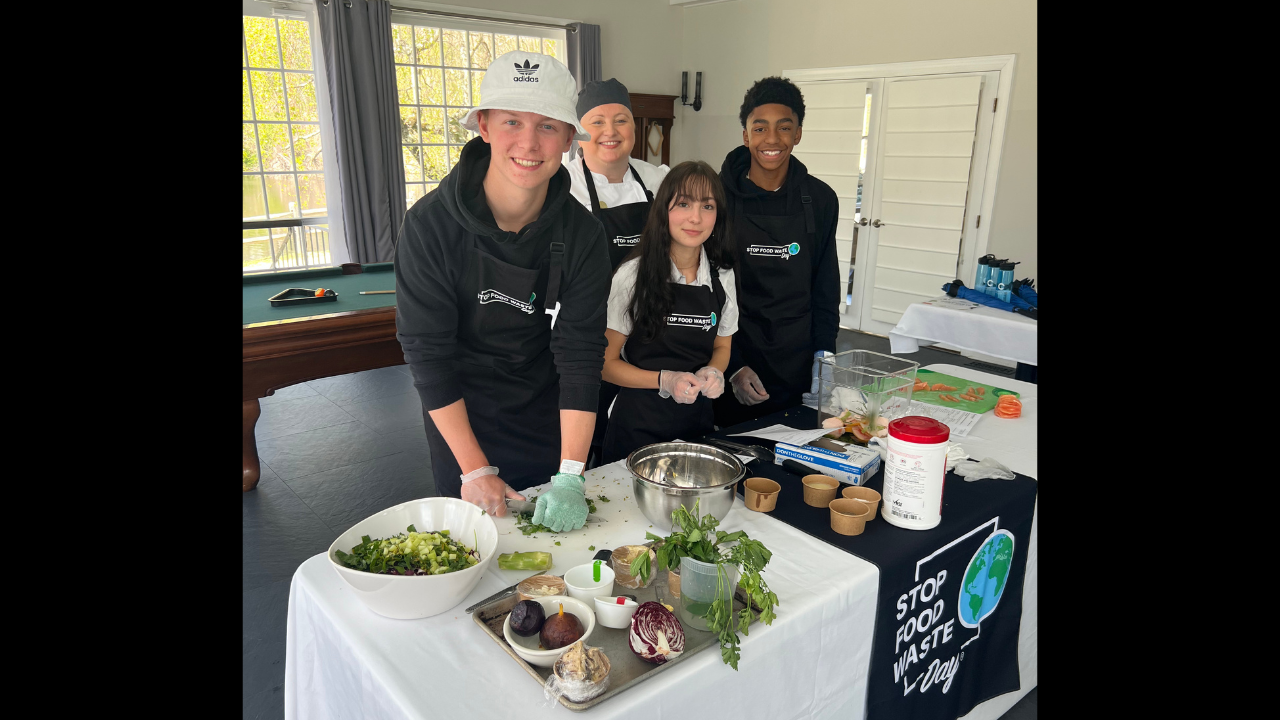
Discover easy, practical tips to reduce food waste in independent school dining programs. Learn how schools can boost sustainability, save money, and make lunch programs better for everyone.
Smart Strategies to Reduce Food Waste in School Dining
Food waste in school food service is more than just leftover lunch—it’s a growing challenge that impacts budgets, sustainability, and social responsibility. The good news? Schools have a unique opportunity to lead the way with smart dining practices and education-based initiatives.
At CulinArt Group, we’re passionate about helping schools create dining programs that are both sustainable and student-friendly. Our team partners with schools to cut waste, lower costs, and empower students to make a positive impact.
Why Reducing Food Waste Matters
Cutting food waste isn’t just good for the planet—it’s good for your school community. Every uneaten meal represents wasted resources, from farm to fork. According to the U.S. Environmental Protection Agency (EPA), it is estimated that 30%-40% of the food supply chain is never eaten, which means every improvement to reduce food waste counts. In alignment with the U.S. Department of Agriculture (USDA) and EPA, CulinArt Group, along with Compass Group, is committed to reducing food loss and waste by half, by 2030.
Reducing waste helps schools:
- Save money on food costs
- Shrink their environmental footprint
- Support local communities through donations
- Teach students how everyday choices affect the planet
Sustainable dining isn’t just an operational win—it’s an educational opportunity that inspires lifelong habits.
Why Does Food Get Wasted in Schools?
Before we fix the problem, we need to understand it. Common causes include:
- Oversized portions – Too much food on the plate means more leftovers.
- Limited choices – If meals don’t appeal to students, they’re less likely to eat them.
- Unfamiliar foods – New dishes can be intimidating without a taste test.
- Short lunch periods – Not enough time to finish meals.
- Lack of awareness – Students may not realize the impact of waste.
- Inventory issues – Overstocking leads to spoilage.
Proven Ways to Reduce Waste
At CulinArt Group, we focus on practical, scalable solutions tailored to each school. Here’s what works:
1. Portion Control & Smart Inventory
- Offer age-appropriate servings
- Let students choose smaller portions with the option for seconds
- Use previous meal and recipe data to adjust recipes and serving sizes
- Implement digital inventory tools to prevent overordering and track expiration dates
2. Donation & Composting Programs
- Partner with local food banks to donate safe, unused food
- Set up composting stations for scraps and inedible waste
- Use compost in school gardens or work with local facilities
3. Student Education & Engagement
- Add sustainability lessons to the classroom
- Post signage in dining centers to raise awareness
- Create student-led waste audits and ambassador programs
- Host fun challenges to encourage waste reduction
When students understand why these efforts matter, they become champions for change.
Celebrate Success & Track Progress
Measuring impact keeps everyone motivated. CulinArt team members track:
- Pounds of food waste reduced
- Meals donated to local communities
- Cost savings over time
- Student participation in programs
Sharing these wins with parents, boards, and the community builds support and keeps the momentum going.
Ready to Make a Change?
If your school wants to cut food waste, save money, and create a more sustainable dining experience, CulinArt Group is here to help. Our customized independent school dining solutions are designed to fit your school’s unique needs.
From smart portioning and waste tracking to donation programs and student engagement, we’ll help you build a program that delivers real results. Let’s work together to make sustainability part of your school culture.